New Transfer Marks Third Major Mexican Handover Under Trump Administration Efforts To Curb Fentanyl & Cartel Violence
Wednesday, January 21, 2026, 11:45 A.M. ET. 3 Minute Read, By Jennifer Hodges, Political Editor: Englebrook Independent News,
WASHINGTON, DC.- In a significant escalation of bilateral law-enforcement cooperation, Mexican authorities have handed over 37 alleged members of organized crime groups to the United States, marking the third large-scale transfer of cartel figures this year under intensified pressure from the Trump administration to stem the flow of illegal drugs into the United States.

Mexican Security Minister Omar García Harfuch confirmed Tuesday that the suspects were transferred into U.S. federal custody aboard seven Mexican Air Force aircraft. The flights were routed to multiple U.S. destinations, including Washington, Houston, New York, San Antonio, San Diego, and federal processing locations in Pennsylvania.
“These individuals represent a serious risk to national security,” García Harfuch said in a public statement, noting that the extraditions were carried out under Mexico’s National Security Law and pursuant to longstanding bilateral cooperation agreements with U.S. authorities.
Profile Of Transferred Suspects;
According to Mexican officials, the extradited individuals are alleged members or high-level associates of several major criminal organizations, including the Sinaloa Cartel, Beltrán‑Leyva Cartel, Jalisco New Generation Cartel (CJNG), and the Northeast Cartel, a group linked to remnants of the former Los Zetas organization.
Among those transferred was Ricardo González Sauceda, known by the alias “El Ricky,” identified by Mexican authorities as a senior figure within the Northeast Cartel.
Mexican government figures indicate that this latest transfer brings the total number of cartel members extradited to the United States during 2025 and in January 2026 to 92 individuals.
Strategic Context And Political Pressure;
The latest handover follows two earlier mass extraditions last year, one in February that included Rafael Caro Quintero, and another in August involving 26 additional cartel suspects transferred at the request of U.S. prosecutors.
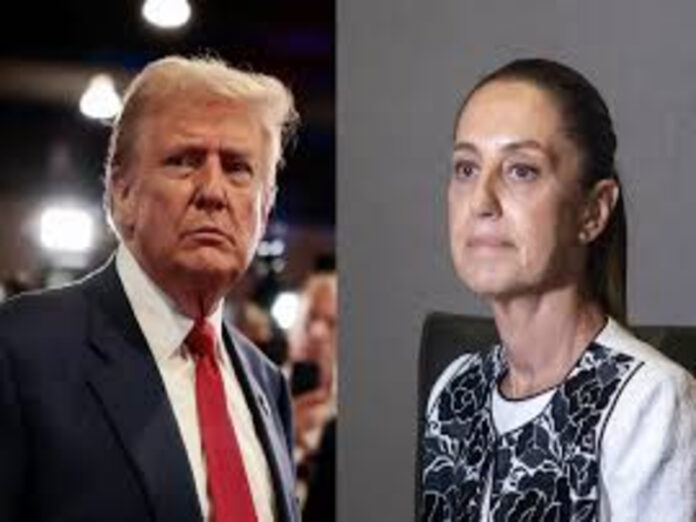
The Trump administration has repeatedly characterized Mexican drug cartels as a national security threat, tying their operations directly to the fentanyl crisis and record overdose deaths in the United States. President Trump has publicly warned that cartel groups operate with near-impunity in some regions and has indicated that U.S. pressure on Mexico will continue until measurable progress is achieved.
Mexican President Claudia Sheinbaum has reaffirmed her government’s commitment to cross-border cooperation while firmly rejecting any suggestion of unilateral U.S. military operations on Mexican soil, citing national sovereignty concerns.
Legal Proceedings In The United States;
Upon arrival in the United States, the extradited suspects are expected to face federal charges that may include drug trafficking, racketeering, money laundering, and violent crime offenses. Under the terms of the extradition agreements, U.S. prosecutors have agreed not to seek the death penalty, a longstanding requirement under Mexican law.
Officials at the U.S. Department of Justice have not yet released individual charging documents, though authorities say the prosecutions are intended to disrupt transnational narcotics networks and dismantle cartel leadership structures operating across borders.
Broader Implications;
Analysts say the latest extradition underscores a tightening alignment between Washington and Mexico City in confronting organized crime, while also highlighting the delicate balance between cooperation and sovereignty as both nations grapple with the enduring consequences of cartel violence and drug trafficking.
Editor’s Note:
This article was written and verified by Jennifer Hodges, Political Editor, using official statements from Mexican and U.S. authorities and corroborated reporting from multiple international news agencies. Englebrook Independent News remains committed to fact-based, evidence-supported journalism.