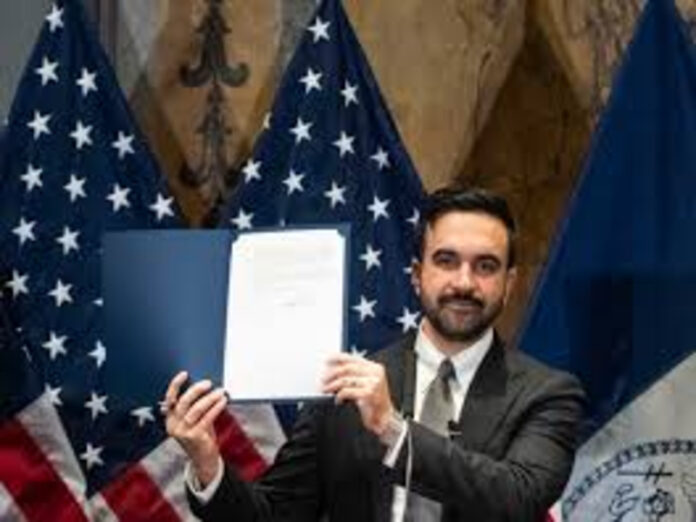
Amid An 11-day Stretch Of Below-Freezing Temperatures That Left At Least 17 People Dead Outoors, New York City Mayor Zohran Mamdani Signs An Order Reaffirming Sanctuary City Policies, Drawing Criticism That Lifesaving Shelter Efforts Deserve Greater Urgency
Friday, February 6, 2026, 4:45 P.M. ET. 4 Minute Read, By Jennifer Hodges, Political Editor: Englebrook Independent News,
MANHATTAN, NY.- New York City has been gripped by an extended and deadly cold snap, with at least 17 people found dead outdoors across the five boroughs during an unrelenting 11-day stretch of sub-freezing temperatures that began in late January, city officials confirmed.

Preliminary medical examiner findings indicate that hypothermia played a significant role in at least 13 of the deaths, while the remaining cases are either linked to overdose or remain under active investigation. Several of the victims were discovered on sidewalks, in parks, and near subway entrances, locations frequently used by the city’s unhoused population seeking minimal protection from the elements.
The fatalities occurred during one of the most severe cold stretches New York City has experienced in years, with temperatures remaining below 32 degrees Fahrenheit for nearly two consecutive weeks, prompting the city to activate extended “Code Blue” emergency protocols.
Despite the mounting death toll, Zohran Mamdani signed an executive order during the crisis reaffirming New York City’s sanctuary city policies, reigniting criticism that the mayor’s administration is prioritizing political symbolism over immediate, life-saving intervention for those sleeping on the streets.
Deadly Cold, Limited Results;
City officials report that outreach teams made more than 930 shelter placements during the emergency period and conducted dozens of involuntary transports when individuals were deemed an imminent danger to themselves due to exposure or medical distress.
Even so, a significant number of those who ultimately died were found outdoors, not in shelters, warming centers, or hospitals, raising serious concerns about the effectiveness and urgency of the city’s winter homelessness response.
Advocates note that many unhoused individuals suffer from severe mental illness, substance dependency, or cognitive impairment, conditions that often prevent them from voluntarily accepting shelter, even in life-threatening weather.
Sanctuary City Order Draws Sharp Criticism;
Against this backdrop, Mayor Mamdani’s decision to formally reaffirm the city’s sanctuary city policies has drawn criticism from community leaders, first responders, and housing advocates who argue that the timing of the order reflects misplaced priorities.
While sanctuary policies remain a long-standing component of New York City governance, critics argue that during an active humanitarian emergency, with people freezing to death, mayoral focus should be singularly directed toward getting vulnerable individuals indoors, regardless of political considerations.
“You cannot protect people’s rights if you cannot first protect their lives,” said one community advocate familiar with street outreach efforts. “This city has the resources. What it lacks right now is urgency.”
Limits Of Voluntary Compliance;
Under current city policy, homeless individuals are largely permitted to refuse shelter unless clinicians determine they pose an immediate danger to themselves or others. Critics argue that this approach, while well-intentioned, fails in extreme weather conditions, where exposure alone constitutes a lethal threat.
Previous administrations have authorized broader involuntary removals during emergencies. The current approach, however, relies heavily on outreach, persuasion, and clinical determinations, measures that some argue do not move fast enough when temperatures drop into the teens.
City Council members from multiple boroughs have since called for oversight hearings later this month to examine the city’s handling of the crisis, including whether the city’s legal tools were underutilized.
Mayor’s Office Defends Response;
In public statements, the mayor’s office has maintained that all available resources were deployed, citing expanded shelter capacity, additional warming centers, mobile outreach teams, and coordination with nonprofit and faith-based organizations.
Officials also emphasized legal constraints under state law that limit the city’s authority to compel individuals into shelters without specific clinical findings.
Nevertheless, as temperatures remained dangerously low through early February, critics argue that existing laws already allow broader intervention during emergencies, and that failure to fully exercise those powers may have cost lives.
Mounting Scrutiny Ahead;
As medical examiner investigations continue and winter conditions persist, political scrutiny surrounding the mayor’s handling of the crisis is intensifying. Public frustration is growing, particularly among families of victims and frontline workers who say the outcome was preventable.
For many New Yorkers, the deaths underscore a stark reality: sanctuary policies and ideological commitments mean little to those freezing on city sidewalks.
As one outreach volunteer bluntly stated, “You can debate immigration policy in a warm office. People on the streets don’t have that luxury.”
Editor’s Note:
This article was written by Jennifer Hodges, Political Editor, and is based on verified reporting from New York City officials, emergency service data, and multiple independent news organizations as of February 6, 2026. Fatality counts, medical examiner findings, and shelter placement figures remain subject to update as investigations continue. Englebrook Independent News will provide updates as additional confirmed information becomes available.