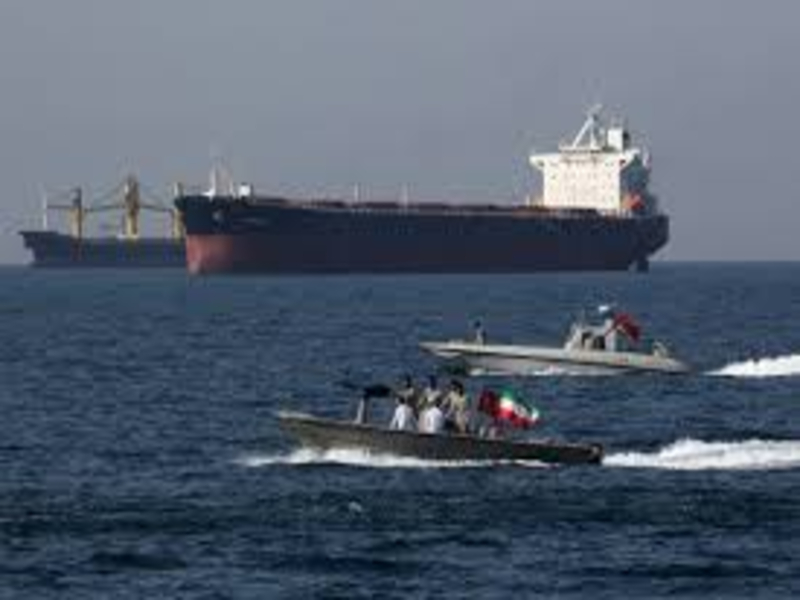
Global Energy Markets Rattle As Fears Grow Over Disruptions To Middle East Supply Routes And The Strait Of Hormuz
Saturday, March 7, 2026, 8:30 A.M. ET. 5 Minute Read, By Haylee Ficuciello, Economy & Finance Editor: Englebrook Independent News,
MORRISTOWN, NJ.- Global oil prices surged past $90 per barrel this week, rattling energy markets and raising fresh concerns about inflation, consumer fuel costs, and broader economic instability as tensions between the United States and Iran continue to escalate.
Benchmark crude prices climbed sharply as traders reacted to escalating geopolitical risks in the Middle East, with West Texas Intermediate (WTI) crude briefly trading above $90 per barrel and Brent crude approaching the mid-$90 range, levels not seen in nearly two years.

Energy analysts say the rally reflects mounting fears that the conflict could disrupt global oil supplies, particularly if shipping through the Strait of Hormuz, one of the world’s most critical energy chokepoints, becomes further restricted.
The narrow waterway between Iran and Oman serves as a vital corridor for global energy exports. According to energy market data, roughly 20 percent of the world’s oil supply passes through the Strait of Hormuz each day, making it one of the most strategically sensitive maritime routes in the global economy.
Even the perception that traffic through the strait could be disrupted is often enough to trigger rapid price spikes across global oil markets.
Supply Concerns Shake Energy Markets;
Oil markets have experienced significant volatility since tensions between Washington and Tehran intensified, with military activity, threats against regional infrastructure, and security concerns surrounding commercial shipping heightening fears of a potential supply shock.
Recent incidents in the region have already rattled energy markets.
A drone strike targeting a Saudi oil refinery earlier this week caused limited physical damage but forced temporary operational adjustments and heightened security across several major oil facilities in the region. The attack contributed to a rapid increase in crude prices as traders assessed the possibility of additional strikes targeting energy infrastructure.
Meanwhile, maritime activity through the Strait of Hormuz has slowed significantly as shipping companies reassess security risks. Several tanker operators have reportedly delayed voyages or rerouted vessels while awaiting updated security guidance from international naval forces operating in the region.
Energy market analysts warn that even minor disruptions in tanker traffic could quickly reduce global oil supply flows.
“When the Strait of Hormuz becomes unstable, energy markets respond immediately,” said Andrew Lipow, president of Lipow Oil Associates, an energy consulting firm. “It’s one of the most critical arteries in the global oil system. Even the threat of disruption can send prices sharply higher.”
Gasoline Prices Begin Rising;
The surge in crude oil prices is already beginning to affect American consumers.
Because crude oil accounts for the largest share of retail gasoline costs, higher crude prices typically translate into higher pump prices within days or weeks.
The national average gasoline price has climbed to approximately $3.32 per gallon, according to recent fuel market tracking data, reflecting a rapid increase compared with prices recorded just days earlier.
Energy economists say if crude oil prices remain above $90 per barrel, American drivers could see additional increases in gasoline prices heading into the spring travel season.
Higher fuel prices often ripple through the broader economy, affecting transportation costs, airline fares, and shipping expenses, which ultimately influence the prices of goods ranging from groceries to consumer electronics.
Global Economic Implications;
Beyond the immediate impact on fuel costs, the surge in oil prices is raising concerns among economists and policymakers about broader economic consequences.
Historically, sharp increases in energy prices have been associated with rising inflation and slower economic growth, as businesses face higher operating costs and consumers reduce discretionary spending.
Financial markets have already shown signs of nervousness, with volatility increasing across global equity markets as investors weigh the potential economic consequences of prolonged instability in the Middle East.
Some economists warn that if the conflict escalates further or significantly disrupts oil exports from the region, global crude prices could climb well above current levels.
Several energy analysts have suggested that prices could potentially reach $120 per barrel or higher if shipping routes remain threatened or if regional oil production becomes impaired.
Strategic Energy Considerations;
The United States remains one of the world’s largest oil producers, largely due to the expansion of domestic shale production over the past decade.
However, energy markets remain global in nature, meaning supply disruptions anywhere in the system can influence prices worldwide.
Even when U.S. production remains stable, reduced exports from major Middle Eastern producers can tighten global supply and drive prices higher across international markets.
Policymakers in Washington are closely monitoring developments. Some officials have suggested that the United States could consider additional releases from the Strategic Petroleum Reserve or encourage increased domestic production if prices continue to rise sharply.
However, energy analysts caution that such measures may provide only temporary relief if geopolitical instability continues to threaten oil shipments through the Persian Gulf.
Uncertain Path Forward;
For now, energy markets remain highly sensitive to developments in the U.S.–Iran conflict.
Any diplomatic breakthrough or de-escalation could quickly calm markets and bring prices down. Conversely, further military escalation or prolonged disruptions to tanker traffic could send crude prices significantly higher in the weeks ahead.
For governments, businesses, and consumers alike, the stakes remain considerable.
As geopolitical tensions intensify in one of the world’s most critical energy-producing regions, the global economy once again finds itself closely tied to the fragile balance of power in the Middle East.
Editor’s Note:
This article was written by Haylee Ficuciello, Economy & Finance Editor, and is based on verified financial market data, energy industry reporting, and publicly available economic information as of March 7, 2026. Oil prices can fluctuate rapidly during geopolitical crises, particularly when strategic shipping routes such as the Strait of Hormuz are involved. Englebrook Independent News will continue monitoring developments in the U.S.–Iran conflict and their potential impact on global energy markets and the American economy.
Support Independent Journalism
Englebrook Independent News is powered by readers like you. Your donation helps us continue delivering trusted local, national, and political news — free for everyone.
Donate Today