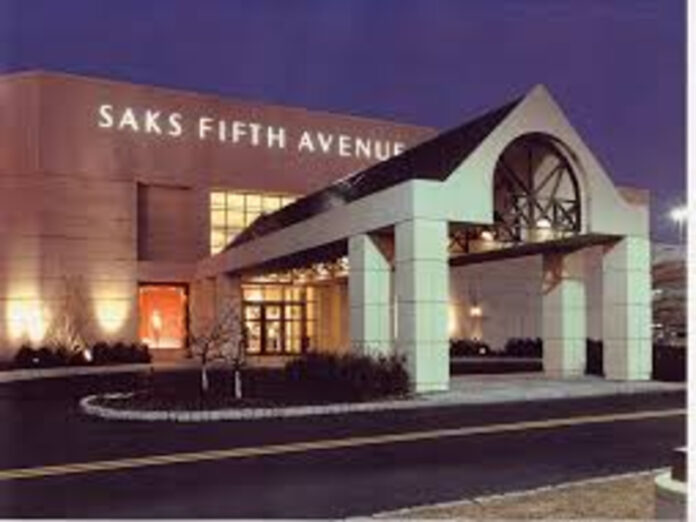
Luxury Retail Giant Behind Saks Fifth Avenue, Neiman Marcus, & Bergdorf Goodman Seeks Court Protection Following Cash Crisis
Friday, January 16, 2026, 12:15 P.M. ET. 3 Minute Read, By Haylee Ficuciello, Economy & Finance Editor: Englebrook Independent News,
MORRISTOWN, NJ.- On Wednesday, January 14, 2026, Saks Global Enterprises, the parent company of several of America’s most iconic luxury department store brands, formally filed for bankruptcy protection, marking one of the most significant collapses in high-end retail in recent years.

Saks Global oversees Saks Fifth Avenue, Neiman Marcus, and Bergdorf Goodman, collectively representing more than a century of prestige retail in the United States. The filing comes after prolonged financial strain following the company’s $2.7 billion acquisition of Neiman Marcus in 2024.
Cash Shortages And Mounting Obligations;
According to filings and disclosures related to the case, Saks Global has been running critically low on cash and struggling to meet routine operating expenses, including vendor payments, lease obligations, and debt service costs. The Neiman Marcus acquisition, while intended to consolidate luxury retail under one corporate umbrella, significantly increased Saks Global’s leverage at a time when consumer spending patterns were already shifting away from traditional department stores.
Despite its premium brand portfolio, the company has faced declining foot traffic, elevated operating costs, and tightening credit conditions. Sources familiar with the matter indicate that Saks Global encountered difficulty securing bankruptcy financing, as some potential investors expressed skepticism about the company’s ability to successfully reorganize and return to long-term profitability.
Reorganization Efforts Under Court Protection;
By seeking bankruptcy protection, Saks Global aims to stabilize operations while pursuing a court-supervised restructuring of its debt and balance sheet. The filing is expected to allow the company to continue operating its stores and e-commerce platforms while negotiations with creditors, landlords, and suppliers take place.
Industry analysts note that luxury retail has proven more resilient than mass-market retail in recent years, but even high-end brands have not been immune to broader economic pressures, including rising interest rates, reduced discretionary spending, and the continued shift toward online luxury marketplaces.
Broader Implications For Luxury Retail;
The collapse of Saks Global represents a watershed moment for the luxury department store model in the United States. Once considered immune to the retail downturns that hollowed out mid-tier malls and big-box chains, luxury retailers now face increased competition from direct-to-consumer brands, global e-commerce platforms, and changing consumer preferences that favor experiences over traditional retail.
What remains uncertain is how much of Saks Global’s existing store footprint will survive the restructuring process, and whether all three flagship brands will emerge intact under a single corporate structure.
Editor’s Note:
This article was composed and written by Haylee Ficuciello, Economy & Finance Editor, and is based on publicly disclosed information available as of January 14, 2026. Bankruptcy proceedings remain ongoing, and financial figures, restructuring plans, and operational outcomes may change as the court process continues. Englebrook Independent News will provide updates as new, verified information becomes available.