Hardline Cleric Mojtaba Khamenei Assumes Power After The Death Of Iran’s Longtime Ruler As Tehran Escalates Threats Against Washington
Tuesday, March 10, 2026, 6:00 P.M. ET. 4 Minute Read, By Jennifer Hodges, Political Editor: Englebrook Independent News,
WASHINGTON, DC.- Iran’s ruling regime has issued a direct threat against U.S. President Donald Trump as the United States and Israel intensify military operations against the Islamic Republic during the rapidly escalating U.S.–Iran war.
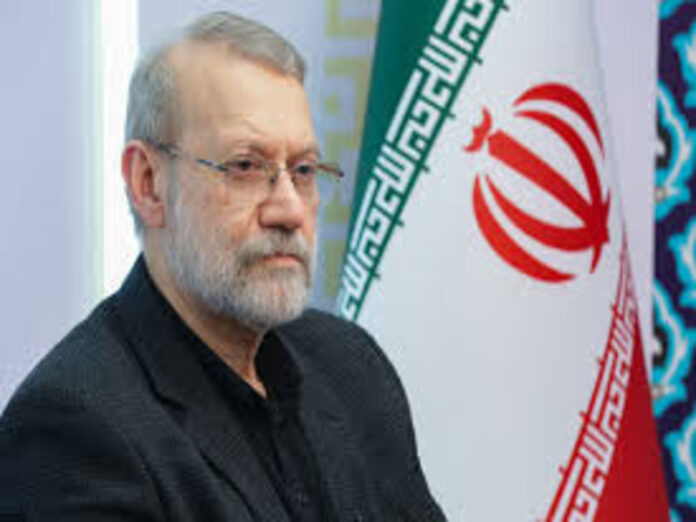
Ali Larijani, a senior figure in Iran’s security establishment, warned the American president in a public statement to “be careful not to get eliminated yourself,” a remark widely interpreted by analysts as a thinly veiled threat from Tehran’s leadership.

The warning comes as Iran’s government reels from the killing of longtime Supreme Leader Ayatollah Ali Khamenei, whose death during the opening phase of the war marked the most dramatic blow to the Islamic Republic’s leadership structure since the country’s 1979 revolution.
U.S. officials have dismissed the rhetoric as an attempt by Tehran’s leadership to project strength while facing significant military pressure from the United States and Israel.
President Trump has repeatedly signaled that Washington will respond decisively to any Iranian attempt to expand the conflict or disrupt global energy supplies through the strategically critical Strait of Hormuz, through which roughly one-fifth of the world’s oil shipments pass.
Rise Of A Hardline Successor;
In the aftermath of Khamenei’s death, Iran’s clerical leadership moved swiftly to consolidate power.
Within days, the regime’s Assembly of Experts appointed Mojtaba Khamenei, the late leader’s son, as the new Supreme Leader of Iran.
The move effectively places one of the country’s most hardline political figures at the top of the Islamic Republic’s power structure during a time of open conflict with the United States and Israel.
Mojtaba Khamenei has long been viewed as a powerful behind-the-scenes operator with deep ties to Iran’s Islamic Revolutionary Guard Corps (IRGC), the military organization responsible for much of Tehran’s regional military strategy and proxy warfare.
Critics say the elevation of the younger Khamenei resembles dynastic succession within a regime that originally came to power by overthrowing Iran’s monarchy nearly five decades ago.
Some clerics and political observers have also questioned the legitimacy of Mojtaba Khamenei’s appointment, noting that he lacks the senior religious credentials traditionally expected of Iran’s supreme leader.
Targeting The Iranian Power Structure;
President Trump and Israeli Prime Minister Benjamin Netanyahu have both indicated that the campaign against Iran’s leadership and military infrastructure will continue.
Israeli officials have described the strikes as part of a broader effort to dismantle the Iranian regime’s ability to threaten Israel and destabilize the Middle East through its network of militant proxies.
For years, Iran has provided weapons, funding, and training to armed groups across the region, including Hezbollah in Lebanon, militias in Iraq, and Houthi forces in Yemen.
Western intelligence agencies say these groups form a central pillar of Iran’s strategy to project power beyond its borders.
The ongoing military campaign has reportedly destroyed key elements of Iran’s military infrastructure and eliminated several senior officials tied to the country’s defense and intelligence apparatus.
Escalating Threats From Tehran;
Despite the damage to its leadership ranks, Iran’s regime has continued issuing aggressive rhetoric toward Washington and Jerusalem.
Larijani’s threat toward President Trump represents one of the most direct warnings issued by a senior Iranian figure during the conflict.
Analysts say the statement reflects the regime’s attempt to maintain an image of defiance even as it confronts unprecedented military pressure.
At the same time, Iranian officials have vowed retaliation for the death of Ali Khamenei and other senior figures killed during the early stages of the war.
Security experts warn that Tehran could attempt to respond through proxy attacks across the region or through efforts to disrupt global shipping lanes.
A Critical Turning Point;
The combination of leadership upheaval, open warfare, and escalating threats has placed the Middle East at one of its most dangerous geopolitical moments in decades.
With Mojtaba Khamenei now at the helm of Iran’s ruling system and Tehran openly threatening the president of the United States, the confrontation between the Islamic Republic and the U.S.–Israel alliance appears far from over.
Diplomatic observers warn that the next phase of the conflict could determine not only the future of Iran’s leadership but also the balance of power across the entire Middle East.
Editor’s Note:
This article was written by Jennifer Hodges, Political Editor, and is based on verified reporting from international news organizations and publicly available government statements as of March 10, 2026. Because the U.S.–Iran conflict is evolving rapidly, military developments and political statements may change as new information becomes available. Englebrook Independent News will continue monitoring the situation and will update this report as confirmed facts emerge.
Support Independent Journalism
Englebrook Independent News is powered by readers like you. Your donation helps us continue delivering trusted local, national, and political news — free for everyone.
Donate Today

