Food Stamp Recipients Sue USDA After Sugary Drinks & Candy Are Barred From Purchase With Federal Benefits
Thursday, March 12, 2026, 10:45 A.M. ET. 6 Minute Read, By Jennifer Hodges, Political Editor: Englebrook Independent News,
WASHINGTON, DC.- Just when Washington watchers thought the nation’s political theater had exhausted its supply of plot twists, a new federal lawsuit has arrived to prove otherwise: several recipients of federal food assistance are suing the United States government because they can no longer buy candy and sugary drinks with taxpayer-funded benefits.
Yes, you read that correctly.

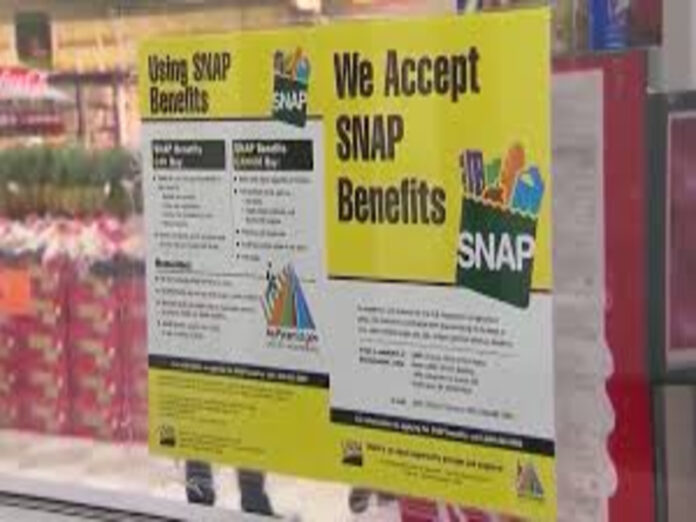
A group of five Supplemental Nutrition Assistance Program (SNAP) recipients from Colorado, Iowa, Nebraska, Tennessee, and West Virginia filed a lawsuit this week in U.S. District Court in Washington, D.C., challenging recent policy waivers approved by the U.S. Department of Agriculture (USDA) that restrict the purchase of certain high-sugar foods with SNAP benefits.
The plaintiffs argue that the new rules, implemented through state waiver programs approved by the USDA, unlawfully limit what recipients can buy with federal benefits. In particular, the restrictions prohibit the purchase of items such as soda, energy drinks, and candy using SNAP funds.
In other words, the legal complaint essentially asks the federal government to restore the right to purchase junk food with public assistance.
The lawsuit seeks a court order invalidating the USDA’s approval of these waivers and restoring the previous rules that allowed nearly all grocery items to be purchased with SNAP benefits.
The Policy At The Center Of The Lawsuit;
The controversy stems from a growing national push, supported by some federal officials and several state governments, to restrict certain highly processed or sugar-heavy foods from being purchased with federal nutrition assistance.
Under SNAP’s long-standing rules, recipients can purchase almost any food product intended for home consumption, with only a few exclusions such as alcohol, tobacco, hot prepared foods, and non-food items.
However, beginning in 2025 and accelerating into 2026, the USDA began approving state-level waiver programs allowing restrictions on foods considered nutritionally harmful, including:
• Sugar-sweetened beverages
• Soda and soft drinks
• Energy drinks
• Candy and certain desserts
• Some heavily processed snack foods
The waivers are part of a broader policy effort by federal and state officials aimed at encouraging healthier diets among SNAP recipients.
Several states, including Indiana, Iowa, Nebraska, Utah, and West Virginia, began implementing the restrictions in January 2026, affecting approximately 1.4 million program participants.
More states have since followed or applied for similar waivers.
The Plaintiffs’ Legal Argument;
According to the lawsuit, the plaintiffs claim that the USDA exceeded its authority by approving state requests to limit SNAP purchases.
The complaint argues the waivers “destabilize food access” and impose unjustified restrictions on low-income households who rely on the program for groceries.
The lawsuit was filed with the support of the National Center for Law and Economic Justice, along with private attorneys representing the recipients.
Among the claims made in the filings:
• The USDA allegedly approved the waivers without sufficient justification.
• The restrictions may disproportionately impact certain households, including those managing specific dietary needs.
• The waivers represent an unlawful change to the scope of eligible SNAP foods.
One plaintiff, according to the court filing, stated that the restrictions could limit food options for her child with autism, who has specific dietary preferences.
The Health Debate Behind The Policy;
While the lawsuit focuses on legal authority, the policy debate itself revolves largely around public health concerns tied to sugar consumption.
Medical researchers and public health agencies have long linked high consumption of sugary beverages and processed sweets to several chronic health conditions, including:
• Obesity
• Type 2 diabetes
• Heart disease
• Metabolic syndrome
• Hypertension
Sugary drinks in particular have drawn scrutiny because they deliver large quantities of sugar without nutritional value.
Studies have consistently shown that regular consumption significantly increases caloric intake while contributing little to satiety, often leading to weight gain over time.
According to public health data cited by policymakers supporting the restrictions, obesity and diabetes rates remain disproportionately high among low-income populations, many of whom rely on SNAP for food purchases.
Critics of the restrictions, however, argue that targeting specific foods through federal assistance programs risks stigmatizing recipients and oversimplifying complex nutritional issues.
Supporters counter that taxpayer-funded nutrition programs should not subsidize products that contribute to long-term health problems.
A Long-Running Policy Debate;
The fight over junk food and SNAP is hardly new.
For years, policymakers have debated whether federal food assistance should function purely as financial aid or whether it should also promote healthier eating habits.
Historically, the USDA rejected many state attempts to restrict items such as soda and candy.
That changed recently when the federal government began approving demonstration waivers allowing states to experiment with restrictions, often as part of broader public-health initiatives.
More than 40 million Americans currently receive SNAP benefits, making the program one of the largest federal nutrition assistance systems in the country.
With billions of taxpayer dollars spent annually on food purchases through the program, the question of what those dollars should, and should not, buy has become increasingly political.
The Court Battle Ahead;
The lawsuit now places that debate squarely before the federal courts.
If successful, the case could force the USDA to reverse the waivers and restore the previous rules allowing SNAP benefits to be used for virtually any grocery item.
If unsuccessful, the ruling could pave the way for even more states to restrict certain foods from federal nutrition programs.
Either way, the case raises a surprisingly contentious question for a country already divided on nearly everything:
Should government nutrition programs pay for candy and soda?
Or, as some critics might put it with a raised eyebrow:
Should taxpayers be funding the nation’s sugar rush?
Editor’s Note:
This article was written by Jennifer Hodges, Political Editor, and is based on publicly available court filings and federal policy documents regarding the Supplemental Nutrition Assistance Program (SNAP). The lawsuit referenced was filed in federal court in Washington, D.C., and remains pending at the time of publication. Englebrook Independent News will continue to follow the case and report on any rulings, responses from the U.S. Department of Agriculture, or policy changes affecting SNAP recipients nationwide.
Support Independent Journalism
Englebrook Independent News is powered by readers like you. Your donation helps us continue delivering trusted local, national, and political news — free for everyone.
Donate Today