Teen Athlete Saleh Mohammadi Among Three Put To Death As Rights Groups Warn Of Torture, Sham Trials, & Looming Wave Of Mass Executions
Friday, March 20, 2026, 10:45 A.M. ET. 5 Minute Read, By Jennifer Hodges, Political Editor: Englebrook Independent News,
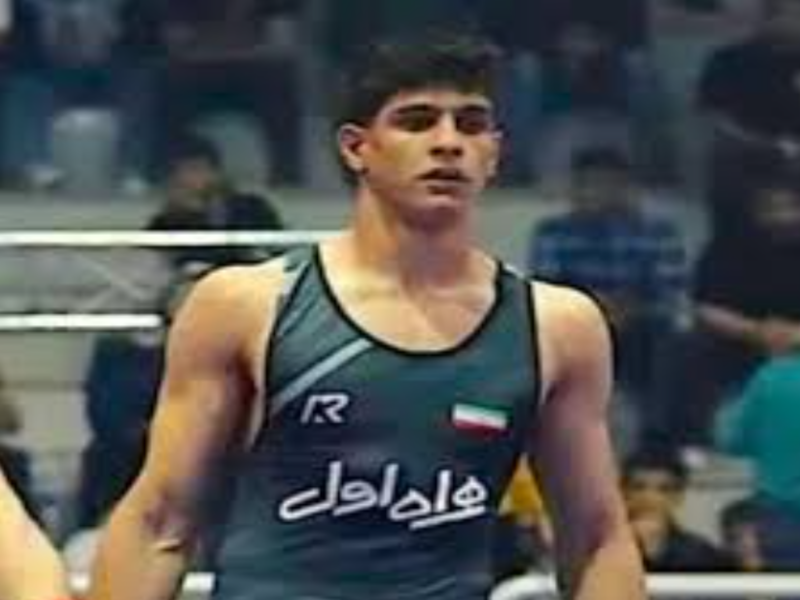
QOM, IR.- The Iranian regime carried out the public execution of 19-year-old wrestler Saleh Mohammadi on Thursday, hanging the teenage athlete alongside two other men in a stark and highly visible display of state authority that human rights organizations say is designed to terrorize the population and suppress dissent.

Mohammadi, along with Saeed Davodi and Mehdi Ghasemi, was executed in the city of Qom after being accused of involvement in the killing of two police officers during anti-government protests on January 8, 2026. Iranian authorities stated that the executions followed legal proceedings and were upheld by the country’s Supreme Court.
However, a growing body of reporting and international condemnation presents a sharply different account, one marked by allegations of coerced confessions, accelerated judicial proceedings, and a legal system critics argue is being used as an instrument of political repression.
A Teenager Turned Symbol Of State Repression;
Saleh Mohammadi was not simply another defendant in Iran’s post-protest crackdown. He was widely described as a rising wrestling talent, part of a sport deeply embedded in Iranian national identity, and a young man believed to have had significant athletic potential.
His execution has drawn comparisons to past cases involving athletes, most notably the 2020 execution of wrestler Navid Afkari, which sparked global outrage and raised concerns about the targeting of high-profile individuals.
According to human rights organizations, Mohammadi was arrested in mid-January and moved rapidly through Iran’s judicial system. Reports indicate that he denied the charges and maintained his innocence, while advocacy groups allege that confessions used against him may have been obtained under torture.
Organizations, including Amnesty International, have consistently documented patterns in Iran involving the use of forced confessions, denial of adequate legal representation, and restricted access to fair and transparent trials in politically sensitive cases.
Public Execution As A Tool Of Intimidation;
Unlike executions conducted behind prison walls, Mohammadi’s hanging was reportedly carried out in public, an approach widely interpreted by observers as a deliberate act of intimidation.
Human rights advocates have described the executions as political in nature, intended to send a clear warning to those participating in or considering protest activity.
Iranian state media reported that the three men were responsible for attacking police officers with knives during the January unrest, emphasizing the severity of the allegations while rejecting claims of abuse or procedural violations.
Critics, however, point to the regime’s repeated use of the charge known as “moharebeh,” or “waging war against God,” as a broad and controversial legal mechanism frequently applied in cases involving political dissent.
Protests, Crackdown, And Mass Arrests;
The executions follow a wave of nationwide protests that erupted in early January 2026, reflecting ongoing unrest within the country.
Security forces responded with significant force, and large numbers of individuals were detained. While exact figures remain difficult to verify due to restrictions on independent reporting and communication blackouts, multiple organizations report widespread arrests and allegations of lethal force used against demonstrators.
In the aftermath, Iran’s judiciary initiated expedited prosecutions against individuals linked to the protests, prompting concern among international observers about due process and transparency.
Fears Of A New Wave Of Executions;
Human rights groups warn that the executions of Mohammadi, Davodi, and Ghasemi may signal the beginning of a broader escalation.
Advocacy organizations have raised alarms that additional detainees could face similar sentences in the coming weeks, suggesting a potential strategy by authorities to reassert control through punitive measures.
Statements from monitoring groups indicate concern that executions are being used not solely as criminal penalties, but as tools of deterrence designed to create a climate of fear.
International Outrage And Continued Defense By Tehran;
The executions have prompted condemnation from activists, international observers, and various organizations calling for accountability.
Some advocates have urged global sporting bodies to consider sanctions or suspensions involving Iran, citing concerns about the treatment of athletes and broader human rights violations.
Iranian officials, however, have continued to defend the executions as lawful and necessary, framing them as part of efforts to maintain public order and national security.
A Climate Of Fear And Uncertainty;
The execution of Saleh Mohammadi highlights the risks faced by individuals accused in connection with protest activity in Iran.
For critics, the case reflects a broader pattern in which legal proceedings, capital punishment, and public messaging intersect in ways that raise serious human rights concerns.
As tensions persist and the possibility of further unrest remains, international observers continue to monitor whether additional executions will follow.
Editor’s Note:
This report was written by Jennifer Hodges, Political Editor, and is based on verified international reporting, official statements from Iranian authorities, and documentation from human rights organizations. Due to restricted media access within Iran, independent verification of all claims, particularly those related to alleged torture and trial conditions, remains limited. Englebrook Independent News will continue to follow developments and provide updates as additional confirmed information becomes available.
Support Independent Journalism
Englebrook Independent News is powered by readers like you. Your donation helps us continue delivering trusted local, national, and political news — free for everyone.
Donate Today